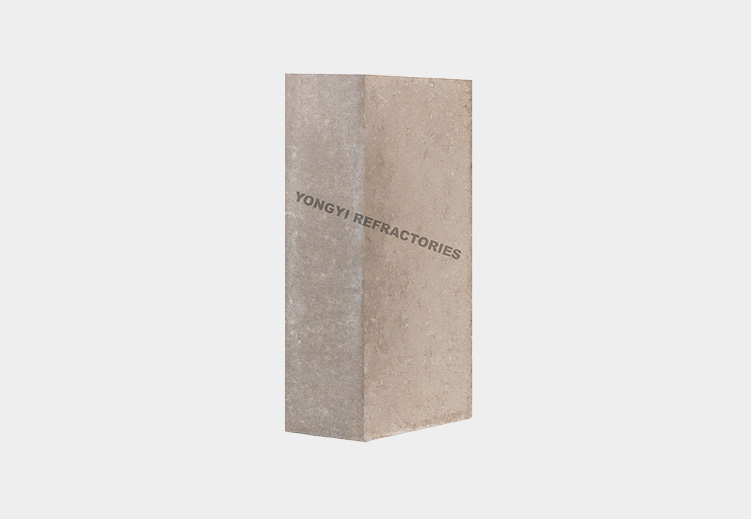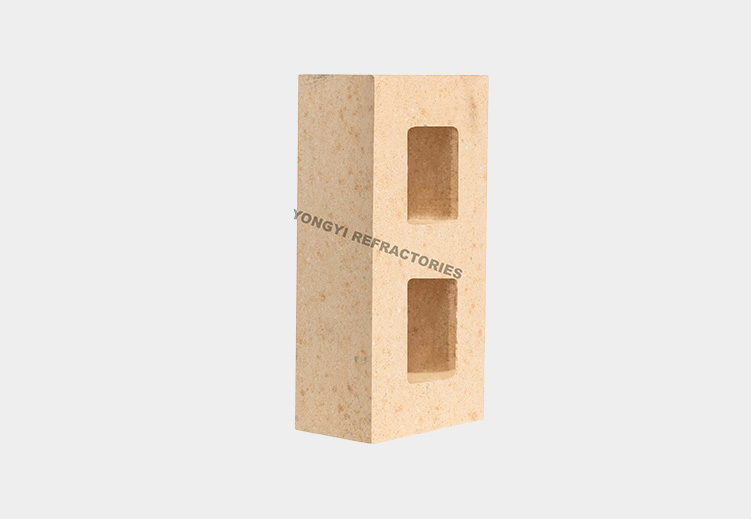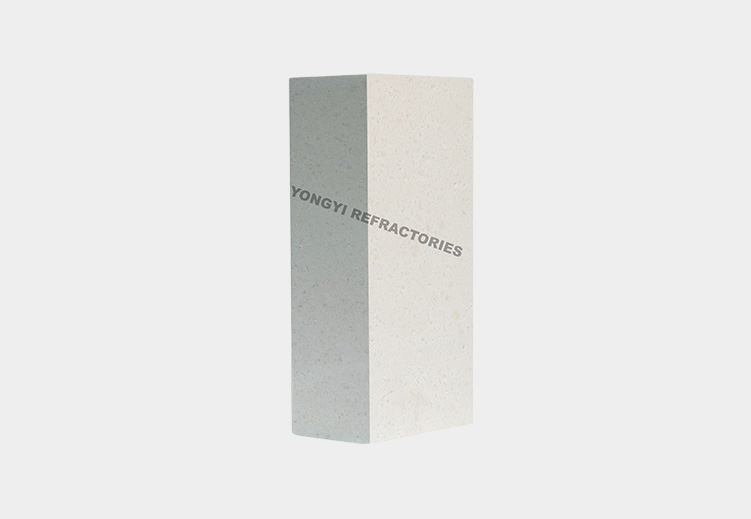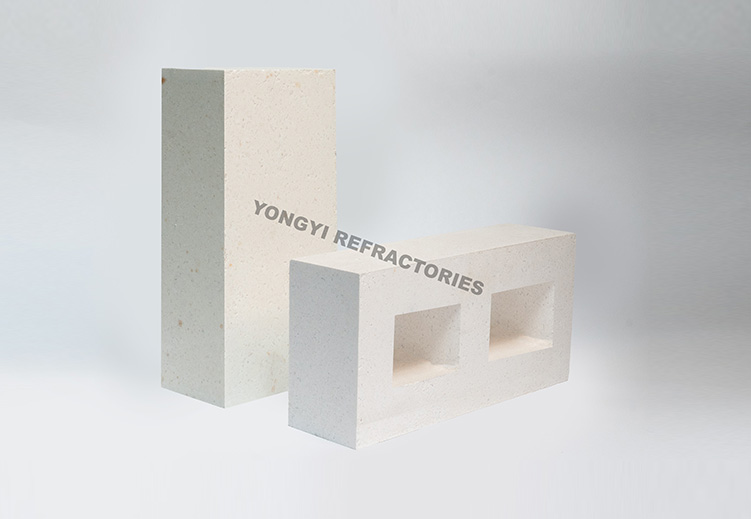

Wear-Resistant Refractory Plastics
Wear-resistant refractory plastics have the advantages of convenient construction, good plasticity, and good wear resistance. The wear-resistant layer after construction features very high strength and wear resistance.
Send Message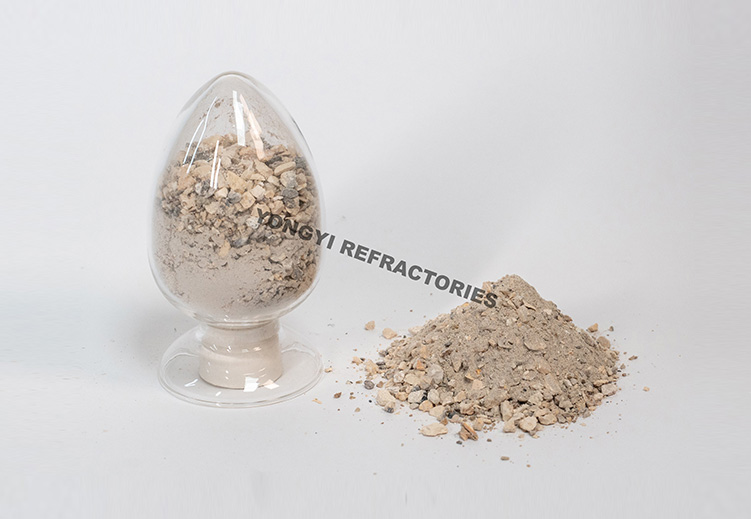
Physical and Chemical Indicators (High Alumina Series)
|
Item |
NMK1 |
NMK1 |
NMK1 |
|
Al₂O₃ (%) |
≥ 65 |
≥ 75 |
≥ 85 |
|
Bulk Density (g/cm³) at 110℃×24h |
≥ 2.5 |
≥ 2.7 |
≥ 2.8 |
|
Permanent Linear Change (%) at 1000℃×3h |
-0.4~0 |
-0.5~0 |
-0.5~0 |
|
Cold Crushing Strength (MPa) at 1000℃×3h |
≥ 70 |
≥ 80 |
≥ 90 |
|
Cold Abrasion Resistance (cm³) at 1000℃×3h |
≤ 7 |
≤ 6 |
≤ 5 |
|
Thermal Shock Resistance (Cycles, 1000℃ water cooling) at 1000℃×3h |
≥ 30 |
≥ 30 |
≥ 25 |
|
Plasticity Index (%) |
15~55 |
||
|
Thermal Conductivity (W/(m·K)) at 1000℃ |
1.1~1.6 |
1.1~1.6 |
1.6~2.0 |
|
Max Operating Temperature (℃) |
1400 |
1500 |
1600 |
Physical and Chemical Indicators (Silicon Carbide & Zirconia Chrome Corundum Series)
|
Item |
Silicon Carbide Series |
Zirconia Chrome Corundum Series |
||
|
Item |
NMK4 |
NMK5 |
NMK6 |
NMK7 |
|
Al₂O₃ (%) |
/ |
/ |
/ |
≥ 80 |
|
SiC (%) |
≥ 40 |
≥ 60 |
≥ 70 |
/ |
|
Cr₂O₃ (%) |
/ |
/ |
/ |
≥ 3 |
|
ZrO₂ (%) |
/ |
/ |
/ |
≥ 2 |
|
Bulk Density (g/cm³) at 110℃×24h |
≥ 2.4 |
≥ 2.5 |
≥ 2.6 |
≥ 2.8 |
|
Permanent Linear Change (%) at 1000℃×3h |
-0.4~0 |
-0.5~0 |
-0.6~0 |
-0.6~0 |
|
Cold Crushing Strength (MPa) at 1000℃×3h |
≥ 60 |
≥ 70 |
≥ 80 |
≥ 90 |
|
Cold Abrasion Resistance (cm³) at 1000℃×3h |
≤ 7 |
≤ 6 |
≤ 5 |
≤ 5 |
|
Thermal Shock Resistance (Cycles, 1000℃ water cooling) |
≥ 30 |
≥ 35 |
≥ 40 |
≥ 30 |
|
Plasticity Index (%) |
15~55 |
|||
|
Thermal Conductivity (W/(m·K)) at 1000℃ |
3~5 |
5~7 |
6~8 |
2~3 |
|
Max Operating Temperature (℃) |
1400 |
1500 |
1600 |
1600 |